
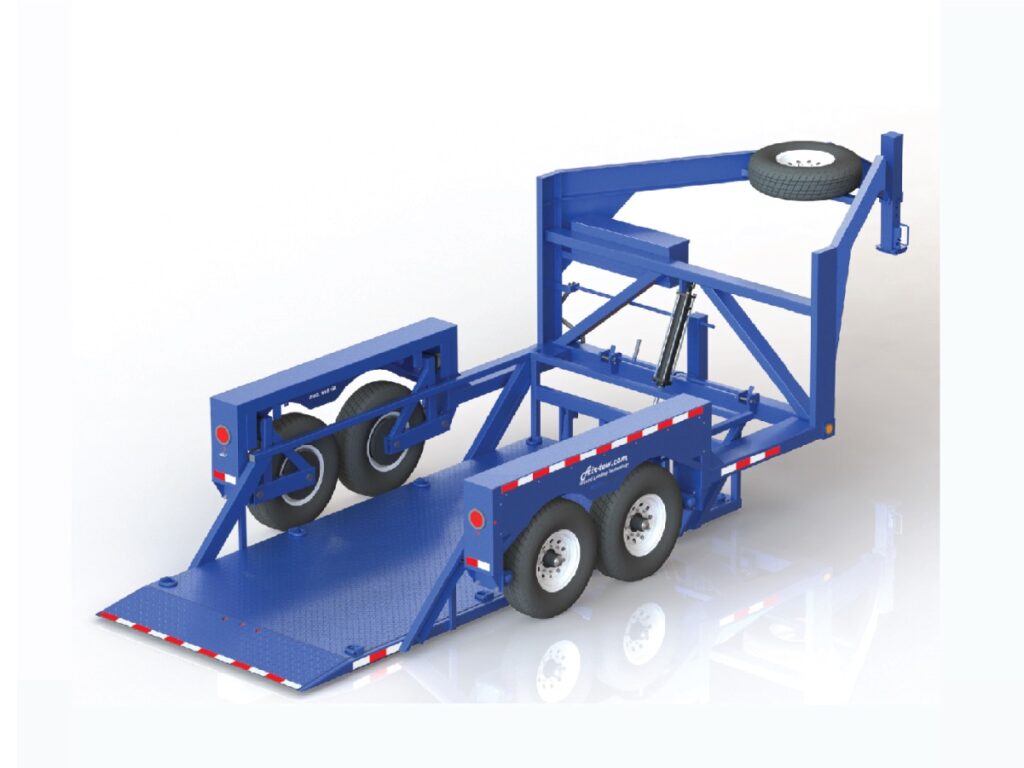
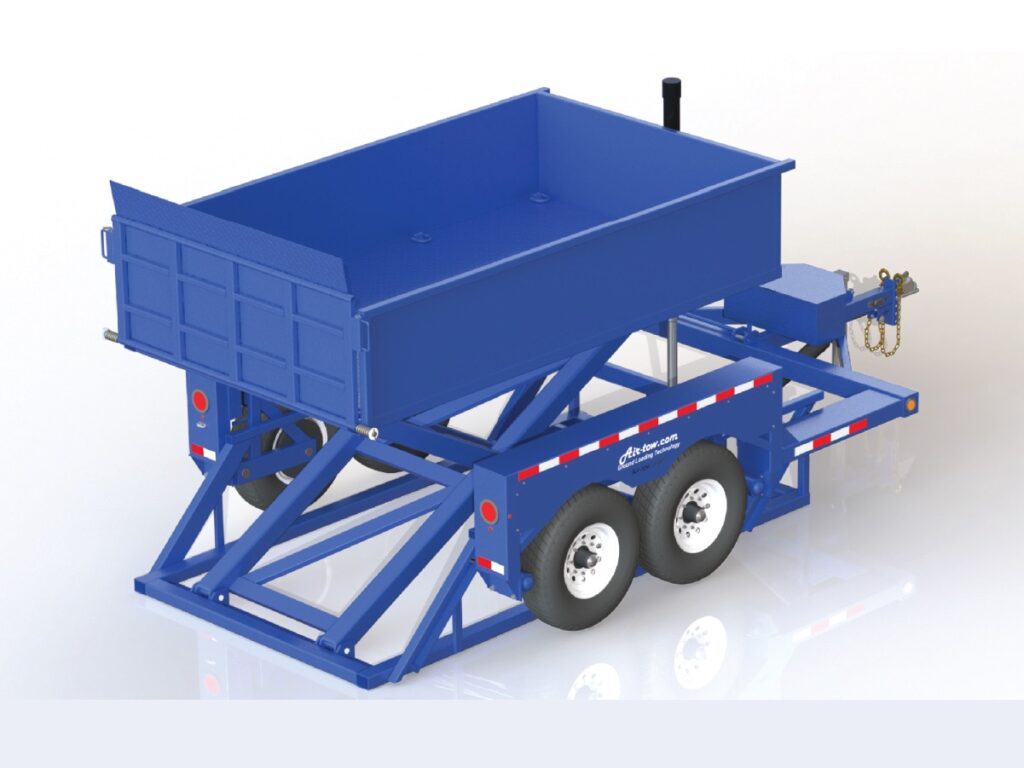

Schools and universities rely on efficient equipment transport to keep their campuses running smoothly. From daily maintenance tasks to large-scale events, having the right trailer can make all the difference. That’s why many educational institutions turn to Air-tow Trailers for safe, reliable, and easy-to-use hauling solutions.
Whether it’s moving landscaping equipment, transporting floor scrubbers and sweepers, or hauling scissor lifts for facility maintenance, drop-deck trailers help schools improve efficiency, reduce downtime, and keep operations running on schedule. Air-tow Trailers are trusted by educational institutions at every level, from elementary schools to major universities.
Everyday Campus Maintenance Made Easier
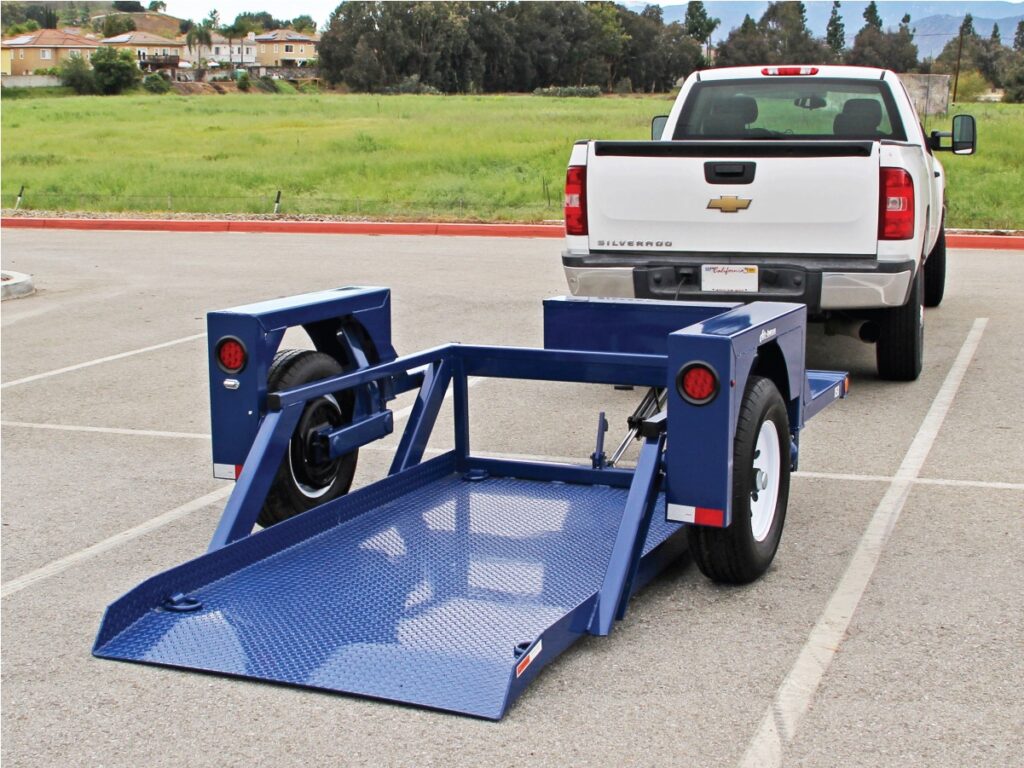
Across campuses, maintenance teams are constantly moving equipment between buildings, fields, and facilities. Trailers play a key role in making these daily tasks faster and safer.
Common maintenance uses include:
- Transporting landscaping equipment like mowers, trimmers, and leaf blowers
- Moving floor scrubbers and sweepers to clean gyms, hallways, and large facilities
- Hauling tools and supplies for routine repairs and upkeep
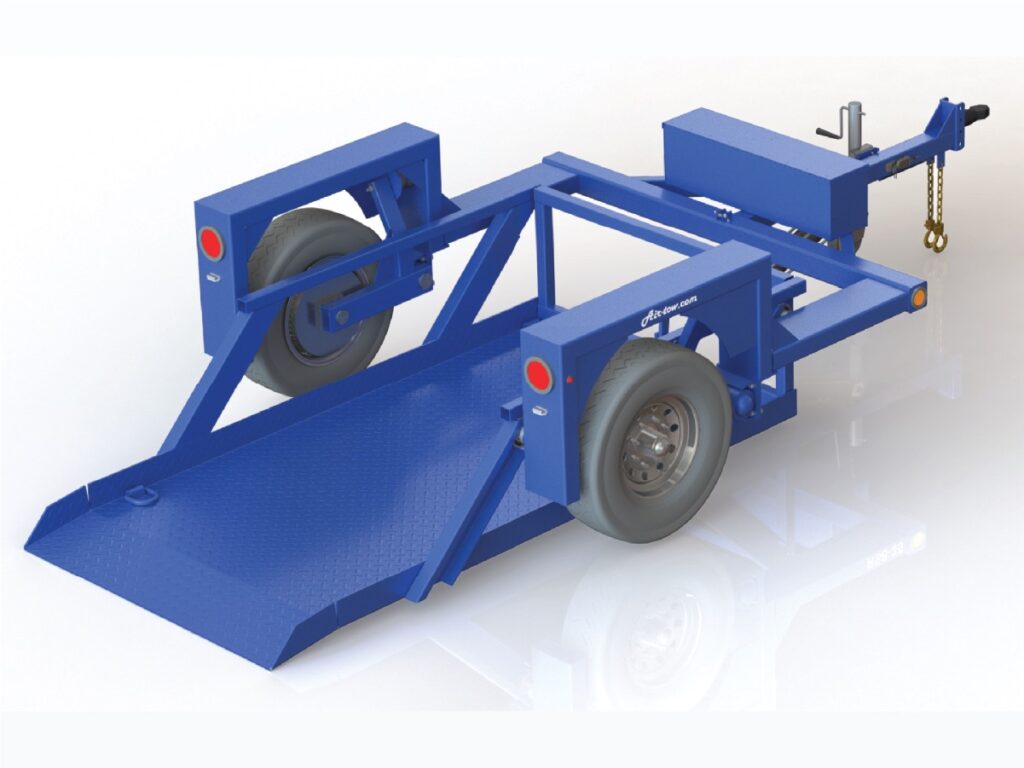
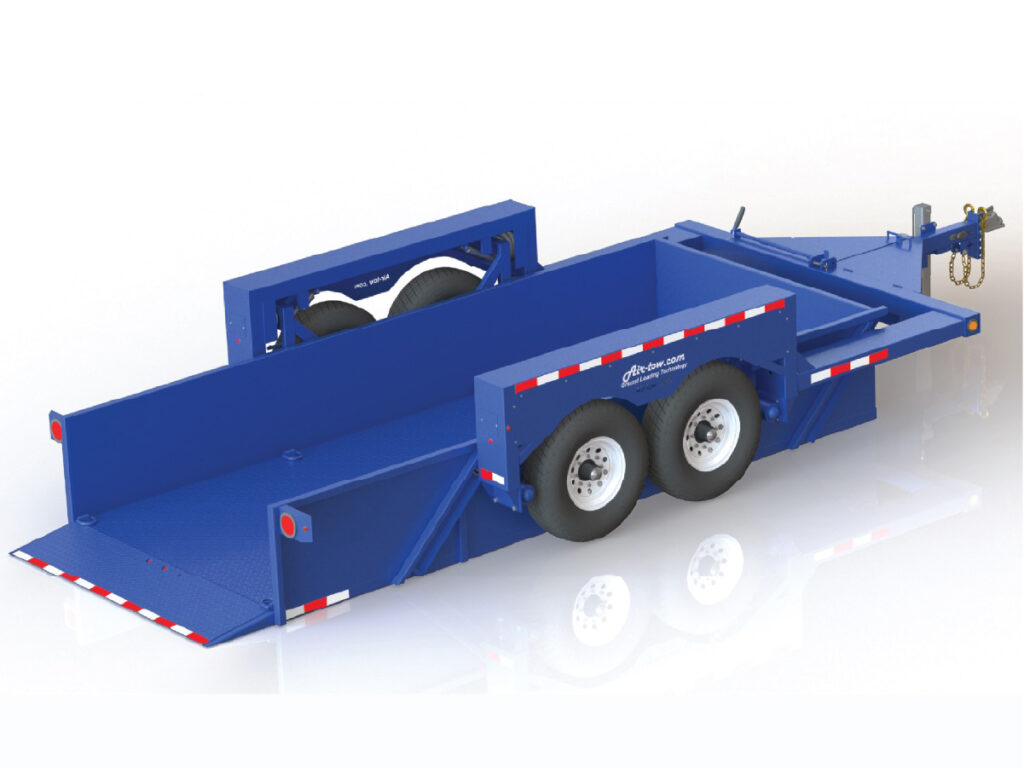
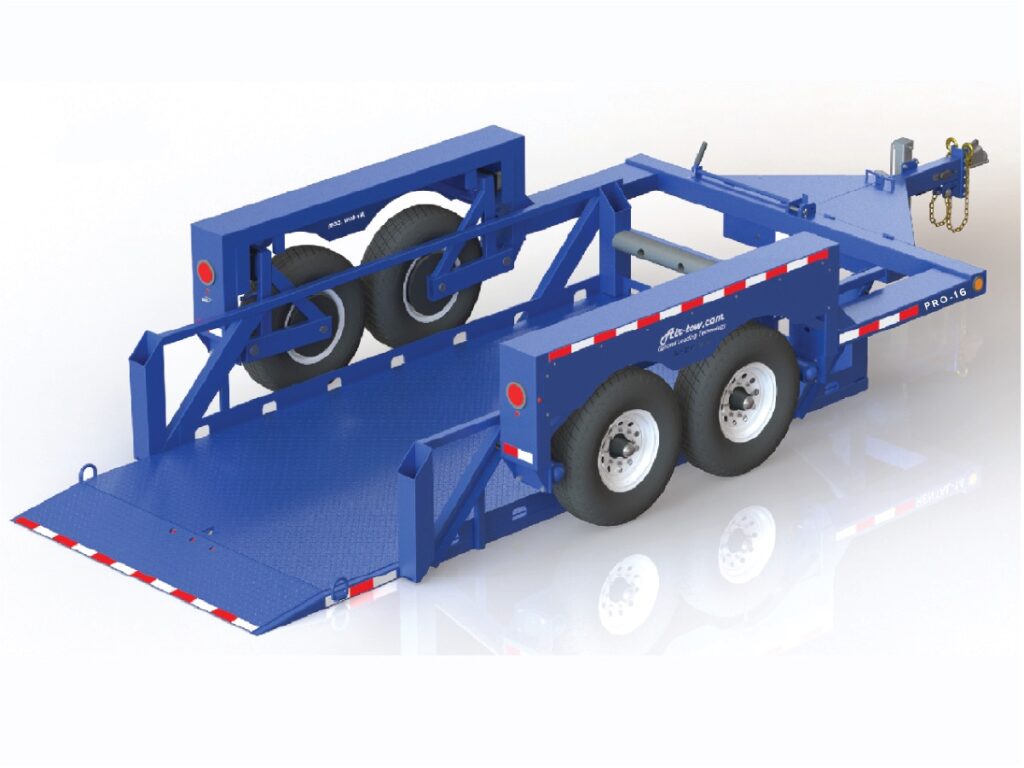
Air-tow’s ground-level loading eliminates the need for ramps, allowing staff to quickly load and unload equipment while reducing the risk of injury.
Moving Heavy Equipment with Confidence
Many schools and universities regularly use heavy equipment for maintenance, construction, and facility upgrades. Transporting this equipment safely is critical.
Air-tow Trailers are commonly used to move:
- Scissor lifts for building maintenance, lighting, and repairs
- Construction materials and tools for campus improvement projects
- Groundskeeping equipment for large outdoor areas
Drop-deck trailers are especially effective for these applications. Air-tow makes it easy to transport heavy, low-clearance equipment like scissor lifts without the challenges of traditional ramps.
Supporting Campus Events and Activities
From sporting events to graduations and performances, schools are constantly hosting events that require equipment transport. Trailers help simplify setup and teardown while reducing labor time.
Typical event-related uses include:
- Hauling tables, chairs, tents, and staging equipment
- Transporting audio/visual gear and event supplies
- Supporting athletic programs with training and game-day equipment
With the ability to move everything in one trip, trailers improve efficiency and help ensure events run smoothly from start to finish.
Protecting Valuable Equipment with Enclosed Trailers
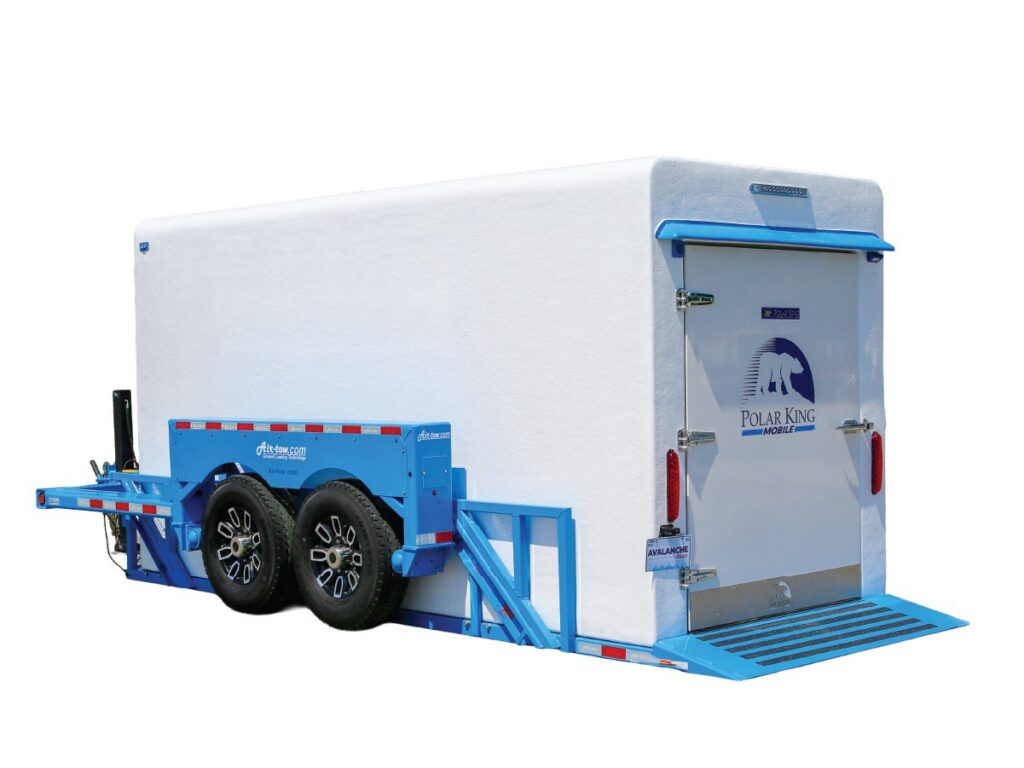
Some campus equipment requires extra protection during transport and storage. That’s where enclosed trailers provide a major advantage.
One of the most common uses is band equipment transport. Schools frequently rely on enclosed trailers to safely move:
- Instruments and percussion equipment
- Amplifiers and electronic gear
- Uniforms, props, and sheet music
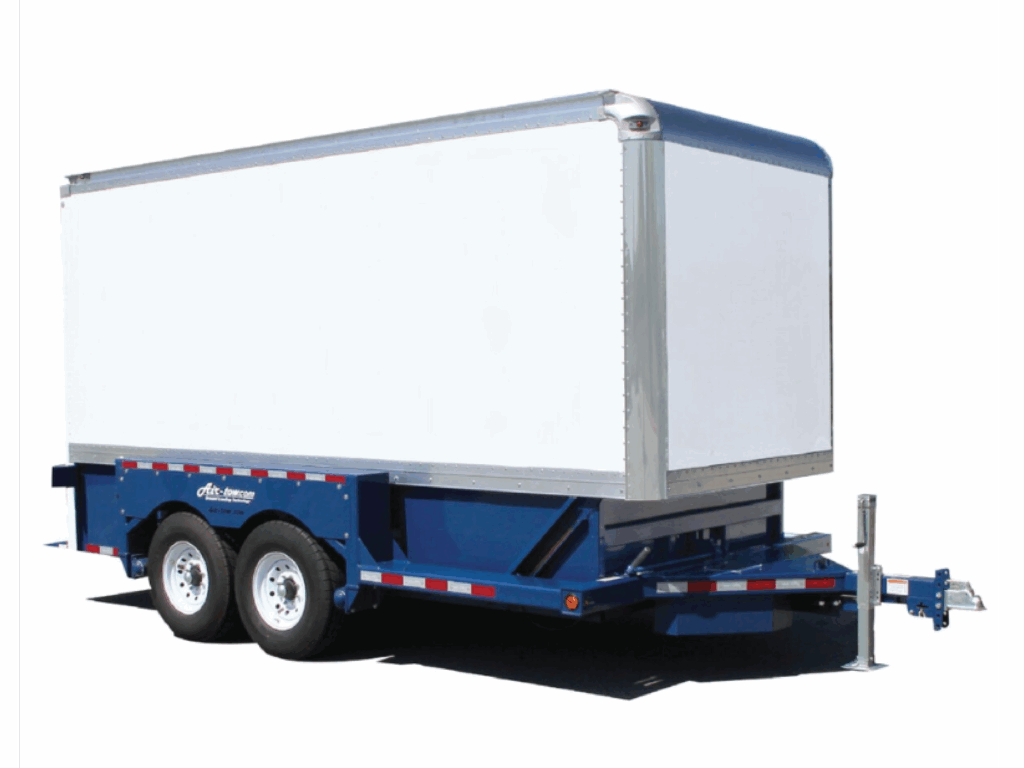
Enclosed trailers protect these valuable items from weather, theft, and damage while keeping everything organized for quick loading and unloading. They’re also useful for transporting sensitive equipment used in academic programs, events, and campus operations.
Choosing the Right Trailer for the Job
Different types of equipment require different trailer solutions. Matching the trailer to the job helps maximize safety and efficiency.
- Scissor lifts: Small flatbed trailers for safe loading
- Landscaping equipment: Small utility trailers for easy maneuverability
- Floor scrubbers and sweepers: Flatbeds or enclosed trailers for secure transport
- Band equipment: Enclosed trailers for protection and organization
- Event infrastructure: Larger flatbed or enclosed trailers for bulk transport
By choosing the right trailer type, schools and universities can streamline operations and reduce wear and tear on both equipment and staff.
Why Schools and Universities Choose Air-tow Trailers
Air-tow Trailers are designed with the needs of educational institutions in mind. Their features make them a practical and cost-effective solution for a wide range of campus applications.
Key benefits include:
- Ground-level loading: Faster, safer loading without ramps
- Versatility: Handles everything from maintenance equipment to event gear
- Durability: Built for daily use across busy campuses
- Safety features: Secure tie-downs and stable transport for valuable equipment
- Cost savings: Reduces reliance on outside transportation services
From routine maintenance to major campus events, Air-tow Trailers provide schools and universities with a dependable way to transport equipment safely and efficiently. No matter the application, landscaping, cleaning, heavy equipment, or band gear, having the right trailer helps keep campus operations moving forward.
Contact us or find your local Air-tow stocking dealership to see one in person and demo today. Interested in financing? Learn more about our flexible financing options.
Frequently Asked Questions
Do you need a special license to tow a trailer for school use?
In most cases, a special license is not required as long as the combined weight of the vehicle and trailer stays within standard limits. However, requirements can vary by state, so it’s important for schools to check local regulations and ensure drivers are properly trained. Learn more.
How do you properly secure equipment on a trailer?
Equipment should be secured using heavy-duty tie-downs, such as D-rings and straps, to prevent movement during transport. Proper weight distribution and checking connections before travel are also key to safe hauling. Learn more.
Are trailers a good long-term investment for schools?
Yes. Owning a trailer can reduce the need for renting equipment or outsourcing transport services, saving money over time. It also gives schools more flexibility and control over their operations.
What towing vehicle do we need?
Match the trailer GVWR to your vehicle’s towing capacity. Many medium-duty trailers require half-ton or three-quarter-ton trucks. Learn more.
What maintenance is required?
Regular inspections of tires, bearings, brakes, lights, hitch, and tie-down hardware. Follow manufacturer maintenance schedules. Learn more.