
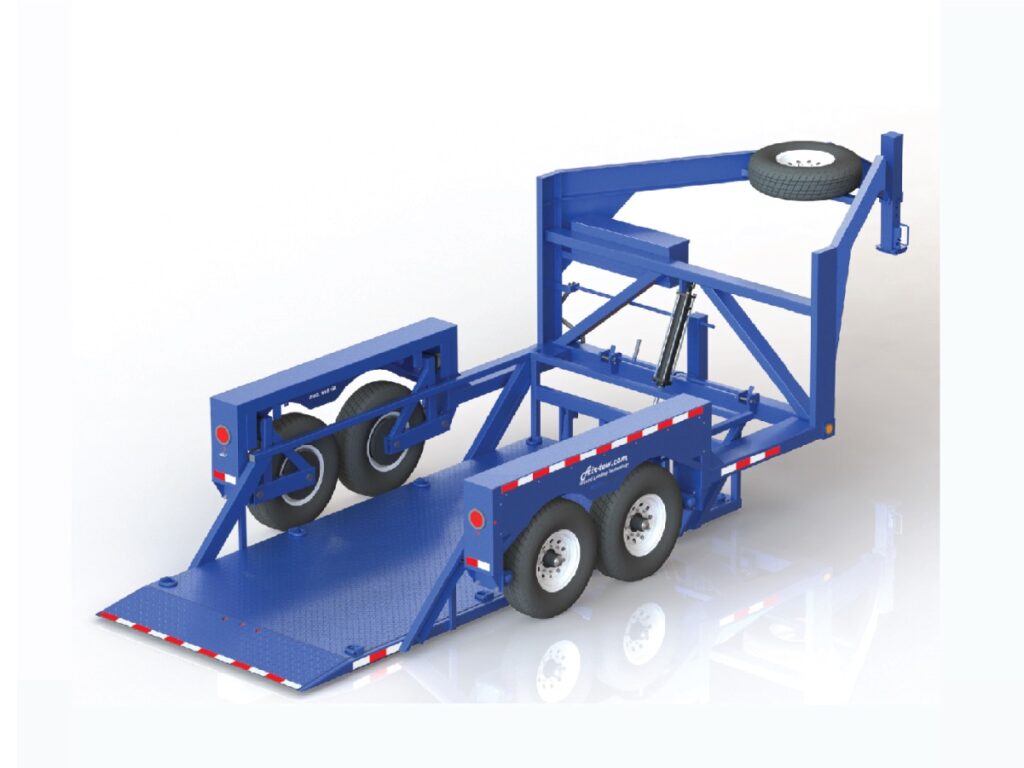
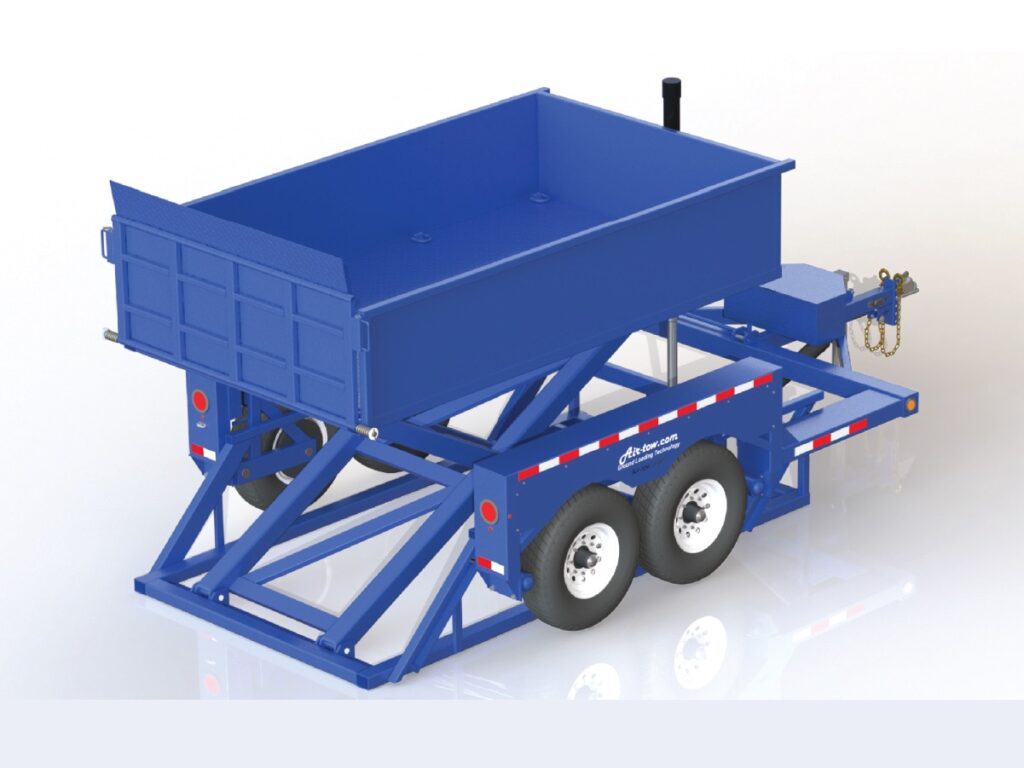

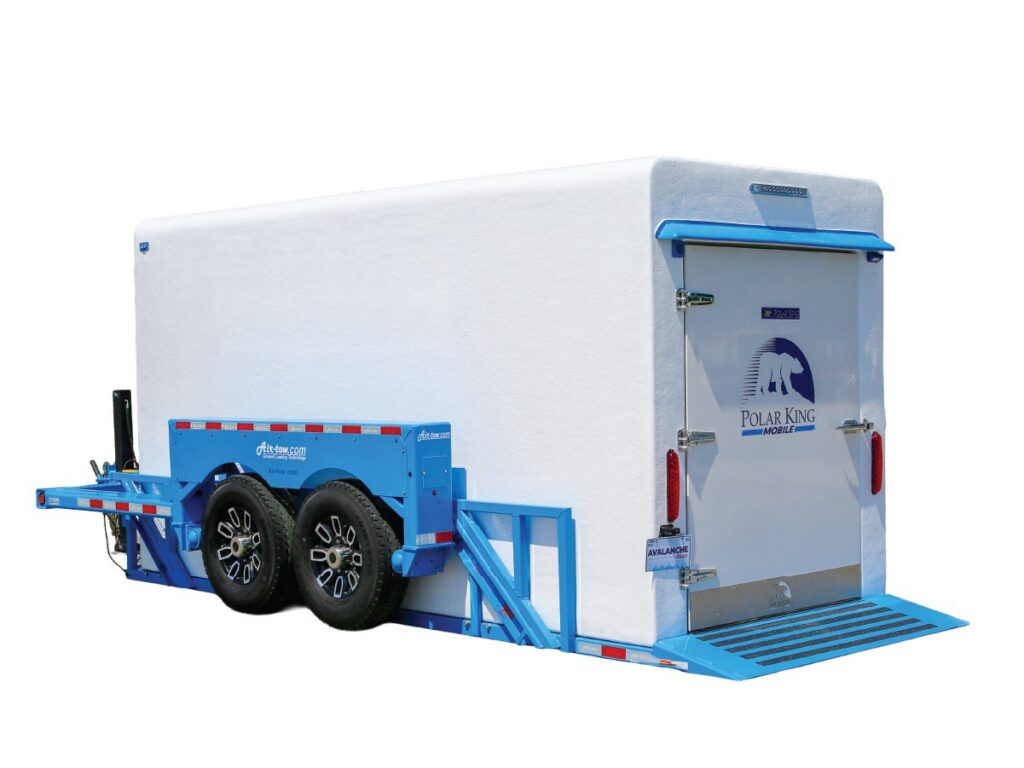
Choosing the right Air-tow trailer starts with an important question: Can your vehicle safely tow it? While many trucks are capable of impressive towing numbers, real-world towing depends on more than just the badge on the tailgate.
Understanding trailer GVWR, vehicle towing capacity, and vehicle configuration is critical to selecting the right match.
Let’s break it down by Air-tow trailer GVWR ranges, with realistic vehicle examples for each category.
Understanding the Numbers That Matter
Before selecting a trailer, it helps to understand a few key towing terms:
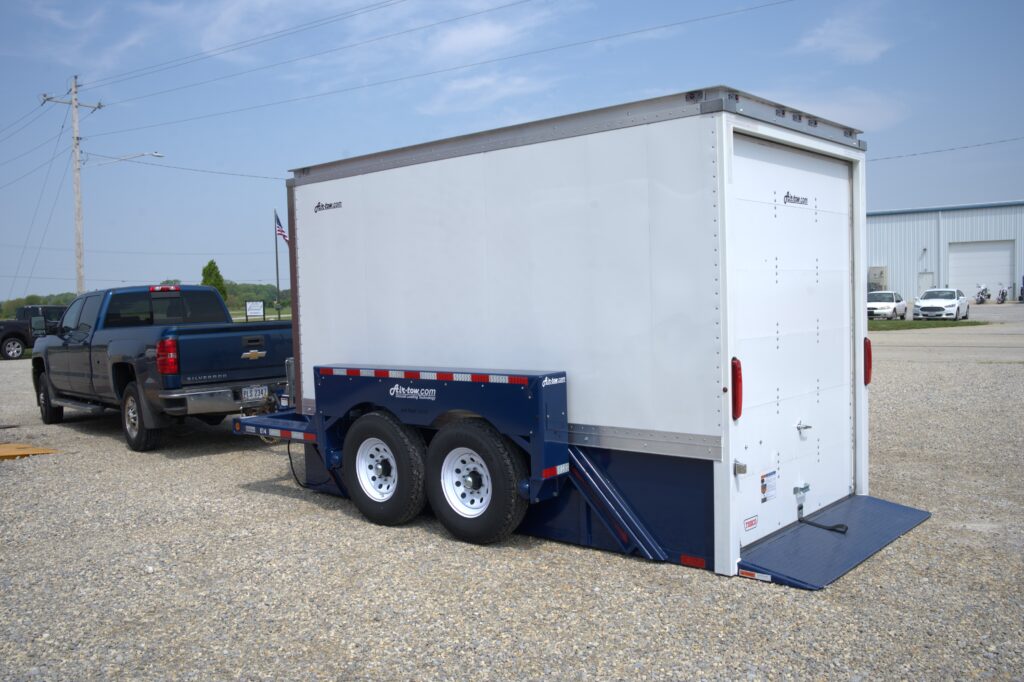
GVWR (Gross Vehicle Weight Rating): This is the maximum allowable weight of the trailer, including the trailer itself, the equipment being carried, attachments, fuel, and accessories.
Vehicle Tow Rating: This is the maximum weight your vehicle is rated to pull. Your vehicle’s tow rating must be higher than the trailer’s GVWR.
Tongue Weight: Typically, 10–15% of the trailer’s GVWR is transferred to the tow vehicle. This weight counts against your vehicle’s payload capacity.
Payload Capacity: The amount of weight your vehicle can safely carry, including tongue weight, passengers, tools, and cargo.
Simple rule: Your vehicle’s rated tow capacity must exceed the trailer’s GVWR, not just the empty trailer weight.
Trailers Up to 8,500 lbs GVWR
Air-tow models include:
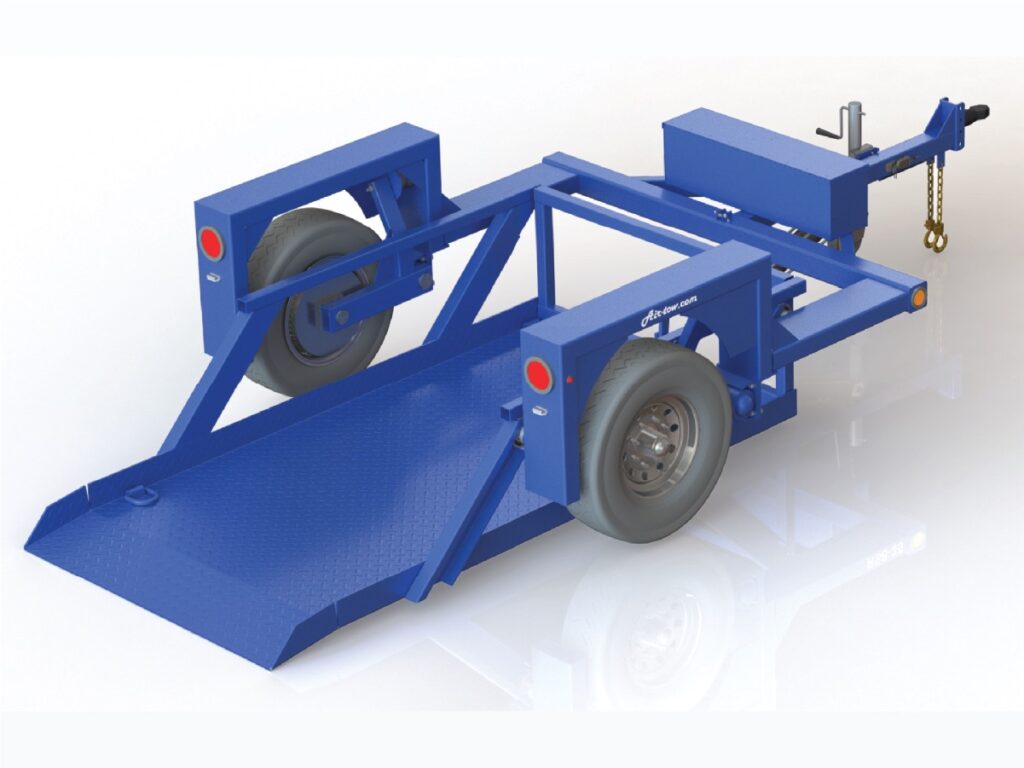
S8-35, SN10-55, S10-55, S12-55, USN10-55, US10-55, US12-55
Typical tow vehicle examples:
Half-ton trucks such as:
- Ford F-150
- Chevy Silverado 1500
- Ram 1500
What this means: Properly equipped half-ton trucks can tow lighter, single-axle Air-tow Trailers. Payload, tongue weight, and hitch ratings should still be verified, especially when accessories, tools, or equipment are added.
Trailers Up to 14,000 lbs GVWR
Air-tow models include:
T12-10, UT12-10, DH-10
Typical tow vehicle examples:
Well-equipped half-ton trucks and many three-quarter-ton trucks
What this means:
- Some half-ton trucks may be capable, depending on configuration
- Most three-quarter-ton trucks handle this range comfortably
This is a popular category where checking your exact tow rating is essential.
Trailers from 14,000 to 18,000 lbs GVWR
Air-tow models include:
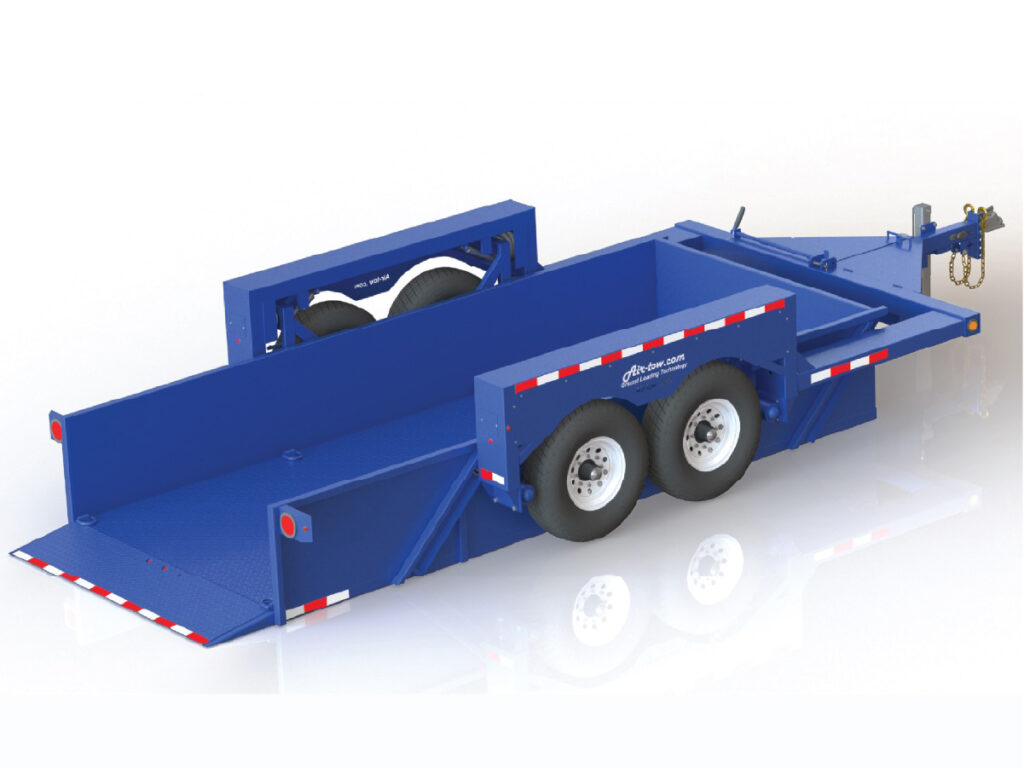
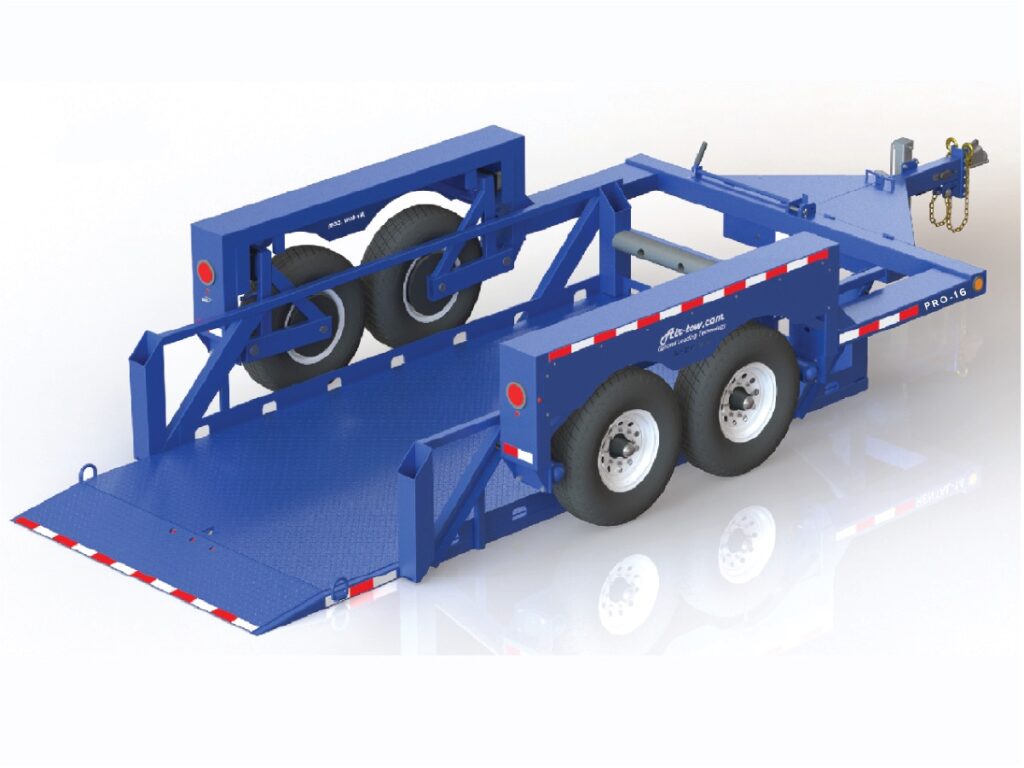
T14-10, T16-10, UT14-10, UT16-10, E-12, E-14, E-16, E-16XL, G-14, G-16, UT14-12, T14-12, Pro-14, Pro-16, 3D-12
Typical tow vehicle examples:
Three-quarter-ton trucks such as:
- Ford F-250
- Chevy Silverado 2500
- Ram 2500
What this means: Many properly equipped ¾-ton trucks can tow most Air-tow Trailers in this range, but not all ¾-ton trucks are rated the same. Engine choice, axle ratio, and hitch setup matter.
Trailers Over 18,000 lbs GVWR
Air-tow models include:
T16-14, UT16-14, 3D-14
Typical tow vehicle examples:
Properly equipped one-ton trucks such as:
- Ford F-350
- Chevy Silverado 3500
- Ram 3500
What this means: A properly equipped one-ton truck provides the capacity, braking performance, and safety margin needed for Air-tow’s highest-GVWR trailers.
A Final Note on Vehicle Configuration
Towing capacity isn’t one-size-fits-all. Two trucks with the same model name can have very different ratings based on:
- Engine and drivetrain
- Axle ratio
- Hitch and brake system
- Payload and tongue weight
- Local regulations
Before towing, always verify your vehicle’s manufacturer-specified ratings and consult with your Air-tow dealer to ensure a safe match.
Need Help Matching a Trailer to Your Truck?
Air-tow dealers are happy to help you select the right trailer for your equipment, vehicle, and application so you can tow with confidence. Contact us or find a dealer.
Disclaimer: Vehicle examples are provided for general guidance only. Always verify your vehicle’s official tow rating, payload capacity, and local regulations before towing any trailer. Towing beyond a vehicle’s rated capacity can result in serious safety hazards, equipment damage, and legal liability.