
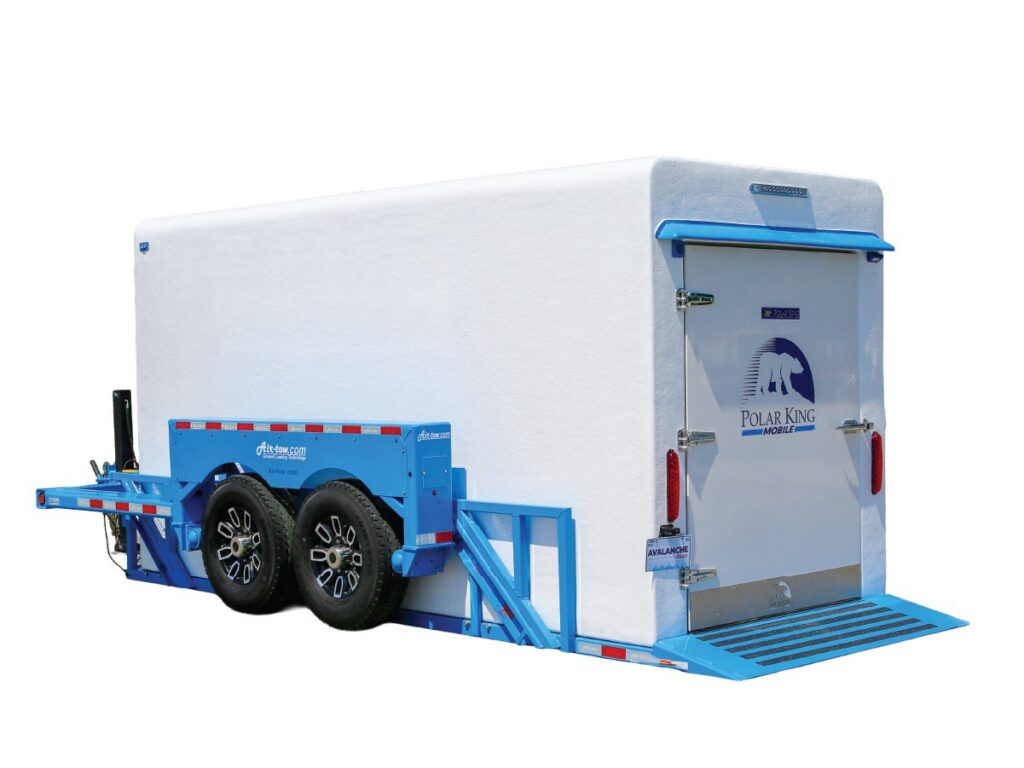
Trailers may seem straightforward, but there’s a lot of misinformation surrounding how they’re built, loaded, and towed. Common assumptions often passed along as “industry knowledge” can lead to unnecessary costs, reduced efficiency, and even safety concerns if left unchecked.
Let’s set the record straight. Here are the top 7 trailer myths and the facts that debunk them.
Myth #1: You Always Need to Be Hooked to a Tow Vehicle to Load a Trailer
The Truth: Not all trailers require a tow vehicle for safe loading.
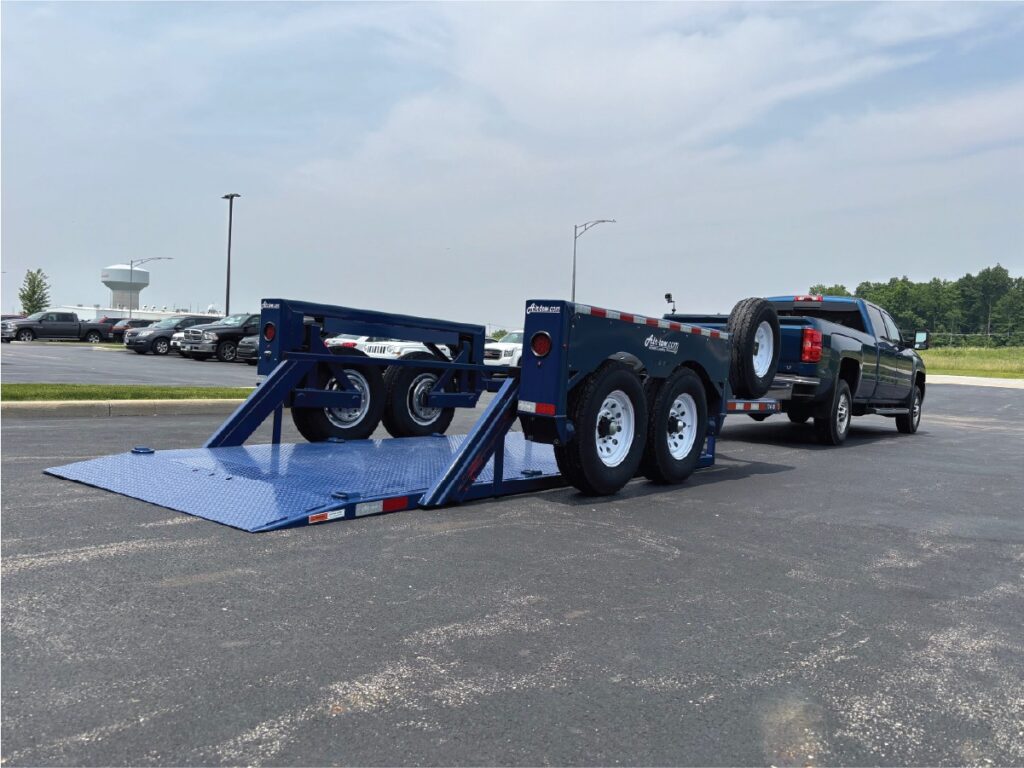
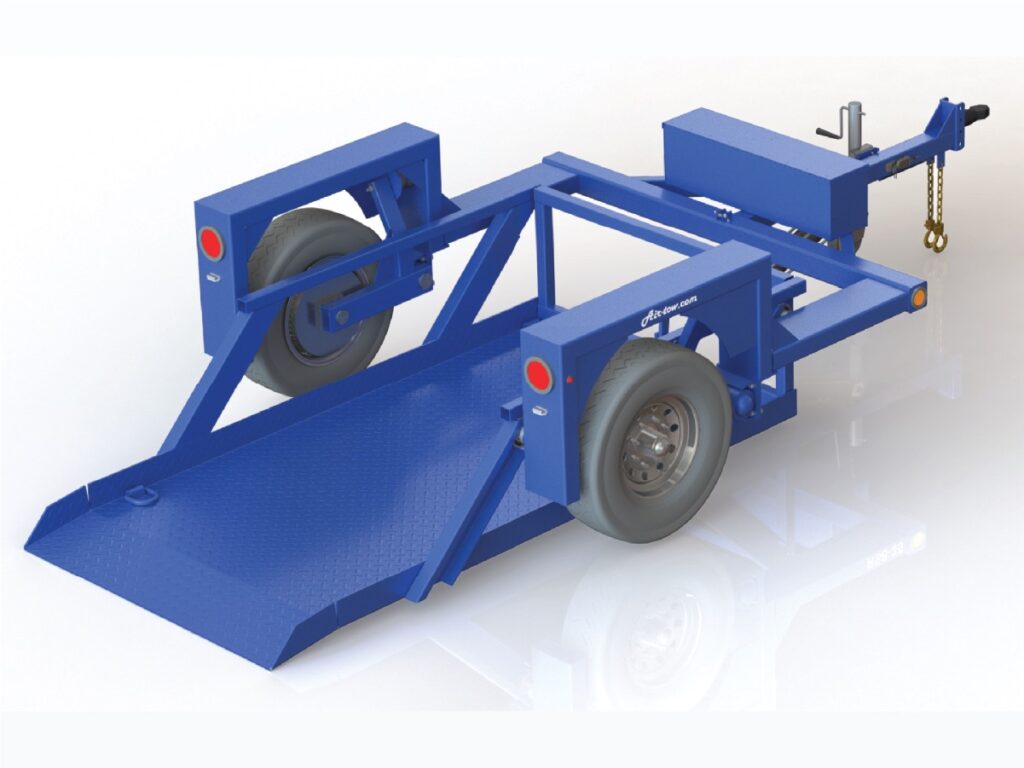
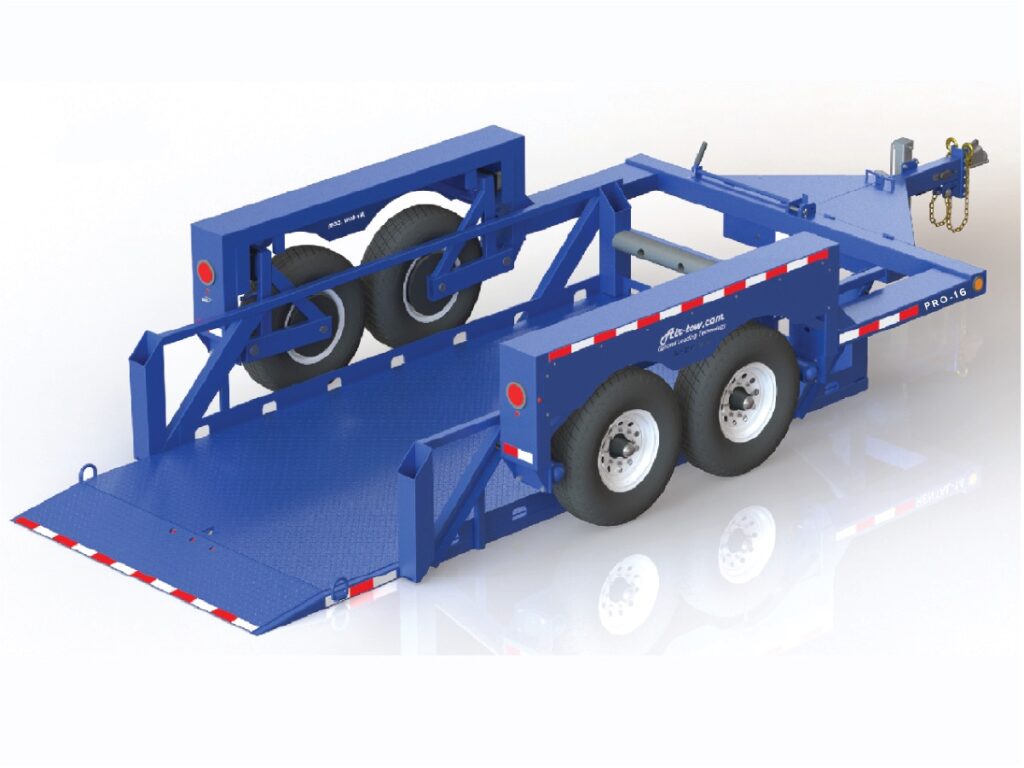
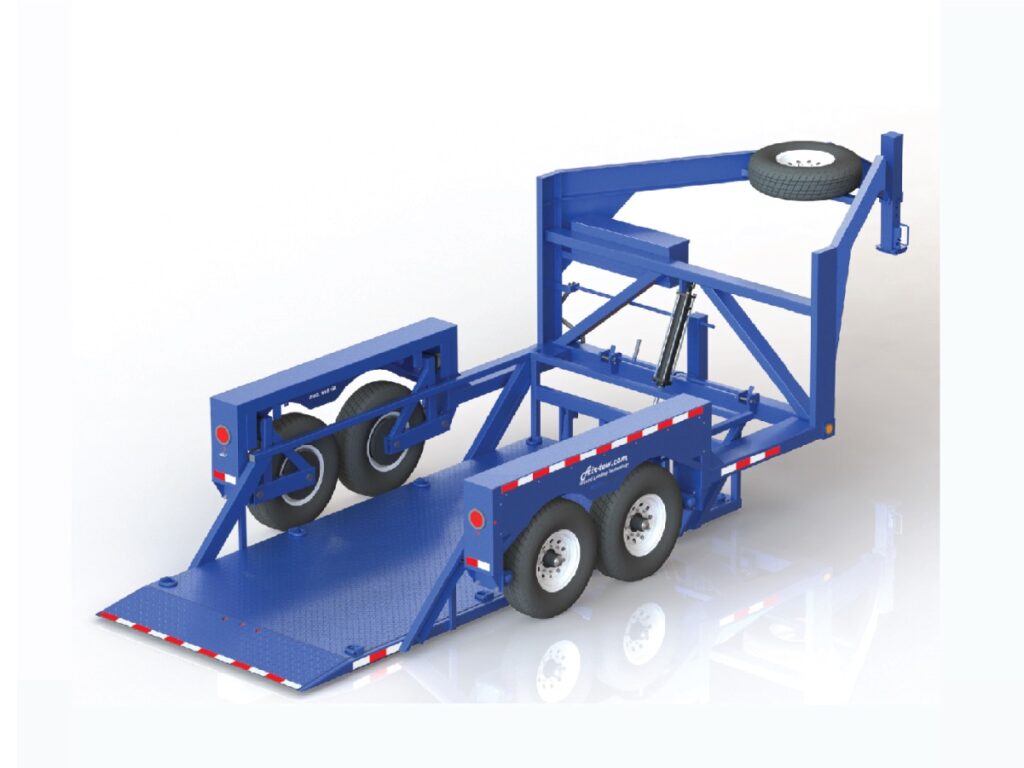
Traditional trailers often rely on the tow vehicle for stability, which means loading and unloading can’t happen unless a truck is attached. Ground-level loading trailers, however, are engineered to remain stable while uncoupled. This allows equipment to be loaded ahead of time, staged at a job site, or left ready for pickup, freeing up the tow vehicle for other tasks.
Why it matters: Increased efficiency, less downtime, and better use of your fleet.
Myth #2: A Heavier Trailer Is a Bad Thing
The Truth: Weight can be a sign of strength when it’s intentional.
Trailers built with thicker steel, reinforced welds, and robust components are often heavier by design and for good reason. This added weight contributes to structural integrity, longevity, and a more planted feel on the road. When paired with innovative engineering and proper axle design, a heavier-built trailer can still tow smoothly and safely.
Why it matters: You get a trailer that feels solid behind the truck, withstands demanding use, and protects your equipment over the long haul.
Myth #3: All Trailers Tow Basically the Same
The Truth: Suspension and axle design make a huge difference.
Many trailers use basic leaf-spring suspensions that transfer road shock directly to your cargo and your truck. Advanced suspension systems, such as independent swing-arm axles paired with air ride technology, dramatically reduce bounce, sway, and vibration.
Why it matters: A smoother tow protects your equipment, reduces driver fatigue, and makes towing feel more controlled and confident.
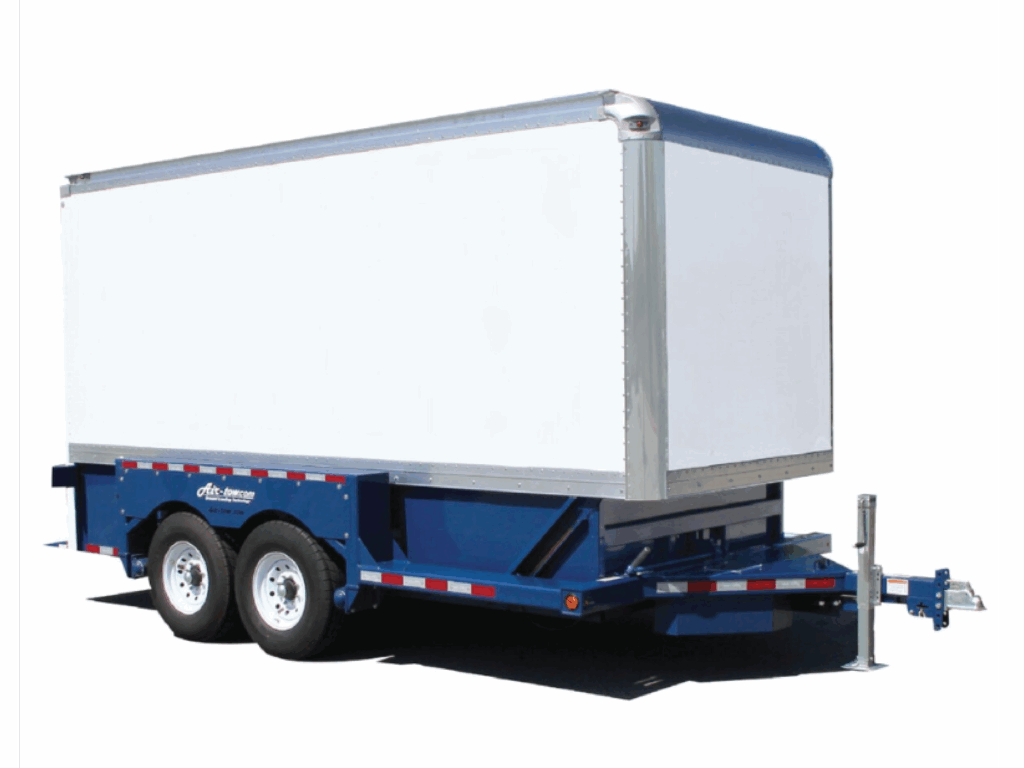
Myth #4: Enclosed Trailers Are Only for Weather Protection
The Truth: Enclosed trailers offer protection and productivity.
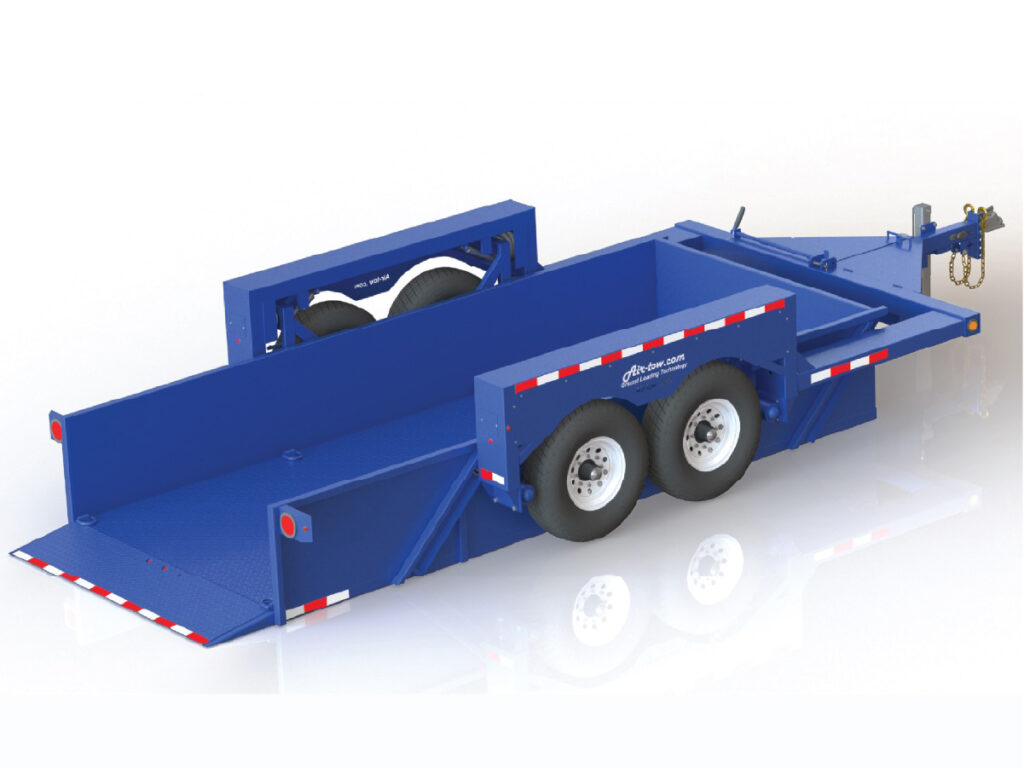
Yes, enclosed trailers shield cargo from rain, snow, and road debris, but they also provide added security, cleaner transport conditions, and even mobile storage at the job site. As a result, tools and equipment can remain safely stored in the trailer at the job site while staying protected from both weather and theft.
Why it matters: Less cleanup, reduced theft risk, and better long-term equipment care.
Myth #5: Loading Ramps Are the Only Practical Way to Load Equipment
The Truth: Ramps are common but not always practical or safe.
Ramps can be heavy, steep, and dangerous, especially for low-clearance or wheeled equipment. Ground-level loading eliminates the need for ramps altogether by lowering the deck flat to the ground for safe and efficient loading.
Why it matters: Faster loading, reduced risk of injury, and safer handling of valuable equipment.
Myth #6: Tongue Weight Isn’t That Important
The Truth: Proper tongue weight is critical for safe towing.
Incorrect tongue weight can cause sway, poor braking, and uneven tire wear. Trailers designed with balanced weight distribution and predictable loading geometry help maintain proper tongue weight across a wide range of equipment.
Why it matters: Safer towing, better control, and reduced wear on your truck and trailer.
Myth #7: A Trailer Is Just a Trailer and Price Is All That Matters
The Truth: The cheapest trailer often costs more in the long run.
Initial price doesn’t account for maintenance costs, downtime, damaged equipment, or inefficiencies. Investing in a trailer with better ride quality, smarter design, and durable construction can save thousands over its lifetime.
Why it matters: Lower total cost of ownership, improved reliability, and higher resale value.
The Bottom Line
Not all trailers are created equal, and believing common myths can hold your operations back. Understanding how design, suspension, loading method, and construction impact performance helps you choose a trailer that works for your business, not against it.
When evaluating your next trailer purchase, look beyond assumptions and focus on what truly enhances safety, efficiency, and long-term value.
Ready to find the right trailer for your needs? Contact our team or find a dealer near you to see the difference for yourself.