

Choosing a trailer hitch sounds simple until you’re dealing with sway, poor braking, or a setup that just doesn’t feel safe. The truth is, the hitch is one of the most overlooked parts of towing, and getting it wrong can affect everything from handling to equipment damage.
Whether you tow occasionally or rely on a trailer every day, choosing the right hitch is essential for safe, stable, and efficient hauling.
Why the Right Hitch Matters
Your hitch does more than connect your trailer to your vehicle. When properly matched, it helps:
- Keep your trailer level and stable
- Maintain proper tongue weight
- Improve braking and steering control
- Reduce sway and uneven tire wear
- Protect your tow vehicle and trailer
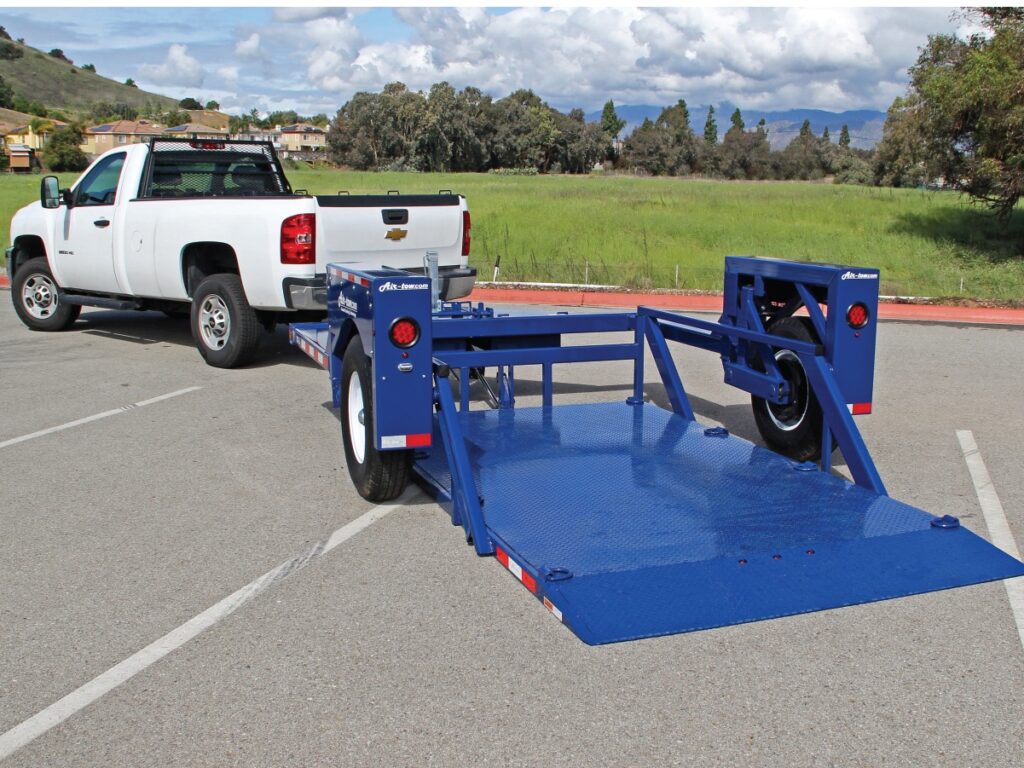
An underrated or mismatched hitch can quickly turn a routine haul into a safety issue.
Start With Weight
One of the biggest mistakes people make is choosing a hitch based on empty trailer weight instead of loaded weight.
Before selecting a hitch, always consider:
- GVWR (Gross Vehicle Weight Rating) of the trailer
- Fully loaded weight, including equipment, tools, and attachments
- Tongue weight, typically 10–15% of the total load
Your hitch must be rated to handle all three.
Hitch Classes Explained
Trailer hitches are grouped into classes based on capacity. Choosing the right one is critical.
Class I & II — Light-Duty Use
- Up to 2,000–3,500 lbs. towing capacity
- Best for small utility trailers, cargo carriers, or personal use
These hitches are commonly found on smaller vehicles and are not suitable for equipment or commercial hauling.
Class III — Most Common for Equipment Trailers
- Up to 8,000 lbs. towing capacity
- Ideal for many utility, equipment, and medium enclosed trailers
This is the most popular choice for contractors and equipment owners because it balances strength, versatility, and availability.
Class IV — Heavy-Duty Towing
- Up to 10,000 lbs. towing capacity
- Designed for heavier equipment and frequent towing
If you regularly haul heavier loads, this class provides added stability and safety margin.
Class V — Commercial & Industrial Use
- 12,000–20,000+ lbs. towing capacity
- Built for daily, demanding commercial hauling
This class is typically used by fleets or operations where towing is mission-critical.
Rule of thumb: When in doubt, choose the higher-rated hitch. Extra capacity equals added safety and control.
Don’t Forget Hitch Height
Even the correct hitch class can cause problems if the trailer isn’t level.
An improperly sized rise or drop can lead to:
- Poor handling and braking
- Increased sway
- Uneven tire and suspension wear
Your trailer should tow as level as possible for optimal performance.
The Weakest Component Sets the Limit
Your towing setup is only as strong as its lowest-rated part. That includes:
- The hitch itself
- Hitch ball and coupler
- Safety chains
- Pins and mounting hardware
Every component must be properly rated and compatible.
Conclusion
Choosing the right trailer hitch isn’t complicated, but it does require attention to detail. The right hitch improves safety, protects your equipment, and makes towing smoother and more predictable.
If you’re unsure which hitch is right for your trailer or tow vehicle, a knowledgeable dealer can help you make the right choice the first time.
Need Help Choosing the Right Setup?
Whether you’re buying or renting, the right trailer and hitch combination matters. Contact Air-tow Trailers or your local authorized dealer to make sure your setup is safe, compliant, and built to perform on the job site.